IPM Logo


Spicebush Swallowtail, Papilio troilus (Linnaeus). Photo by Bart Drees.Answers to your questions and information about Texas insects.
 
Texas Crop Profiles
Alfalfa
Beans (Green)
Cabbage
Cantaloupes
Carrots
Corn
Cotton
Cotton (By-Products)
Honey Bees
Honeydew Melons
Onions
Peaches
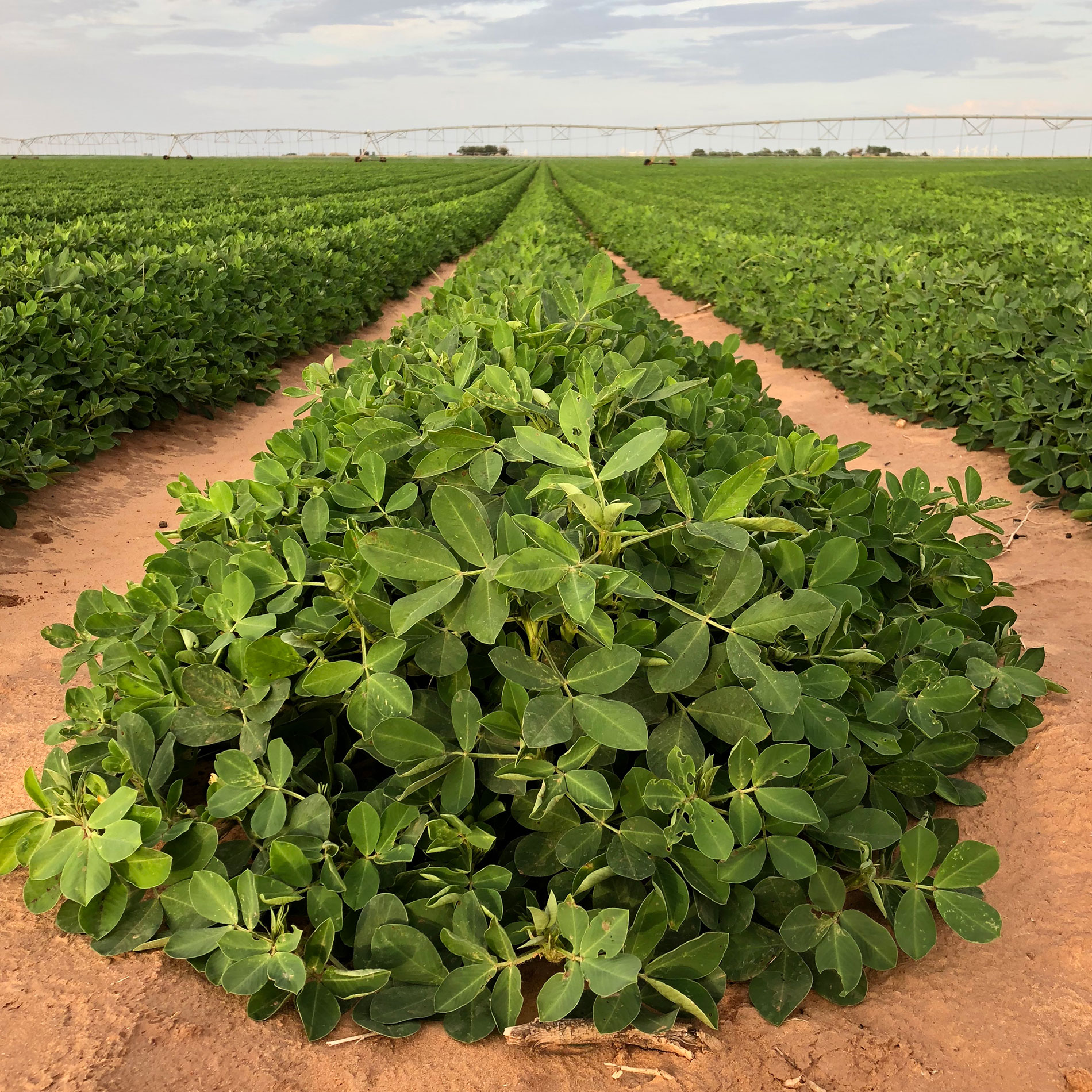
Peanuts
Pecans
Potatoes
Pumpkins
Spinach
Sugarcane
Sweet Potatoes
Watermelons
 
Agriculture News
PCG News
TCE Crop Report
 
Government Agencies
Texas Animal Health
Texas Dept of Agriculture
US - EPA
USDA
USDA-FSA
 
Consultants
NAICC
TAAC
 
Search the Net
Structural Pest Control
 
Memberships

Texas Agricultural Council

Texas IPM Technical
Advisory Committee

Texas State Technical
Advisory Committee
National Resource
Conservation Service

US - EPA
Pesticide Environmental
Stewardship Program


Texas Homeland SecurityTexas Homeland Security
 
Texas OnlineTexas Online
 
Adobe Acrobat Get Adobe Acrobat
 
Internet connect speed test from Speakeasy.net.Internet Speed Test


TPMA

Welcome to the Internet Home of
Texas Pest Management Association

TPMA has been serving Texas agriculture and promoting IPM principles through education and demonstration for over 30 years. As an undisputed leader in advancing IPM technologies, the organization seeks to demonstrate the economic and environmental benefits of addressing pest management issues with proven science.

Since 1972, the Texas IPM program has made significant progress in helping to solve agricultural pest problems within the state. Pest management methods developed through the program are both affordable and environmentally responsible. Widespread IPM implementation in Texas has resulted in an overall reduction in pesticide use in many crops, transition to less toxic chemicals, increased use of diverse IPM methods and an increase in profits for agricultural producers.

Without a doubt, partnerships have been the key to the success of the Texas IPM program. IPM partners will continue to work together to solve Texans' pest problems.

Texas IPM
"Partners With Nature"

Texas Pest Management Association
Texas Cooperative Extension
Texas Department of Agriculture
Texas Farm Commodity Organizations
US Department of Agriculture
US Environmental Protection Agency
US IPM Centers, Nationwide

Dr. Perry Adkisson

"IPM has proven to be the best way to manage crop pests. It has sustained yields, lowered production costs and protected the quality of the environment. IPM has been a good investment for Texas farmers."

  Dr. Perry Adkisson
Founder of Extension IPM Programs in Texas
and Co-winner of the
1997 World Food Price for work in IPM

IPM in and Urban Setting

IPM concepts are not only applicable in agricultural settings. The methodology that has been so successful in Texas agriculture is now being put to use in urban settings ... residential subdivisions, parks and recreational areas, industry, and public schools.

Home fertilizer, pesticide and herbicide users are a major cause of water pollution in urban areas and neighborhoods in and around our state ... too much is running off and tainting water supplies. The Texas IPM Program focuses on educating people on the least-toxic approaches to lawn care, with the ultimate goal of reducing the amount of landscape chemicals that seep into waterways and degrade water quality.

The IPM concept can be as simple as taking time to read and follow the label instructions for applying lawn and garden chemicals. It's just good, common sense.

Our Vision

The Texas Integrated Pest Management Program will deliver unbiased, credible, reliable, and timely solutions to pest problems of agricultural and urban customers.
 
Texas Pest Management Association, Inc.
PO Box 1906
Austin, Texas 78767
© 1998-2008. All Rights Reserved.